The Absorbent Mind
Young children absorb more than the physical world around them. Through everyday life, they take in language, habits, relationships, and the emotional atmosphere—often without conscious effort or formal instruction. The tone of our voices, the pace of our actions, and the way we respond to them all become part of their experience.
Sometimes, a small classroom moment reveals just how closely children observe us. Over my years as a Montessori guide, children have helped me notice details of my own movements, language, and manner that I might otherwise have missed. The following stories show what I learned from watching them—both when my guidance was intentional and when I fell short.
One day, while multitasking in the classroom, I bent over from the opposite side of a child's rug to help him organize his work. Then I noticed something: he twisted his wrist into an awkward position, trying to match exactly how my hand looked from his side of the rug.
I was focused on arranging his work. He was watching closely enough to reproduce even the angle of my hand—a detail I hadn't given a thought to.
That tiny movement stopped me. What had been a quick gesture for me had become something to follow for him. Only then did I fully appreciate why we demonstrate beside the child, sharing the same view. He had shown me just how much there was to notice in a moment I had hurried through.
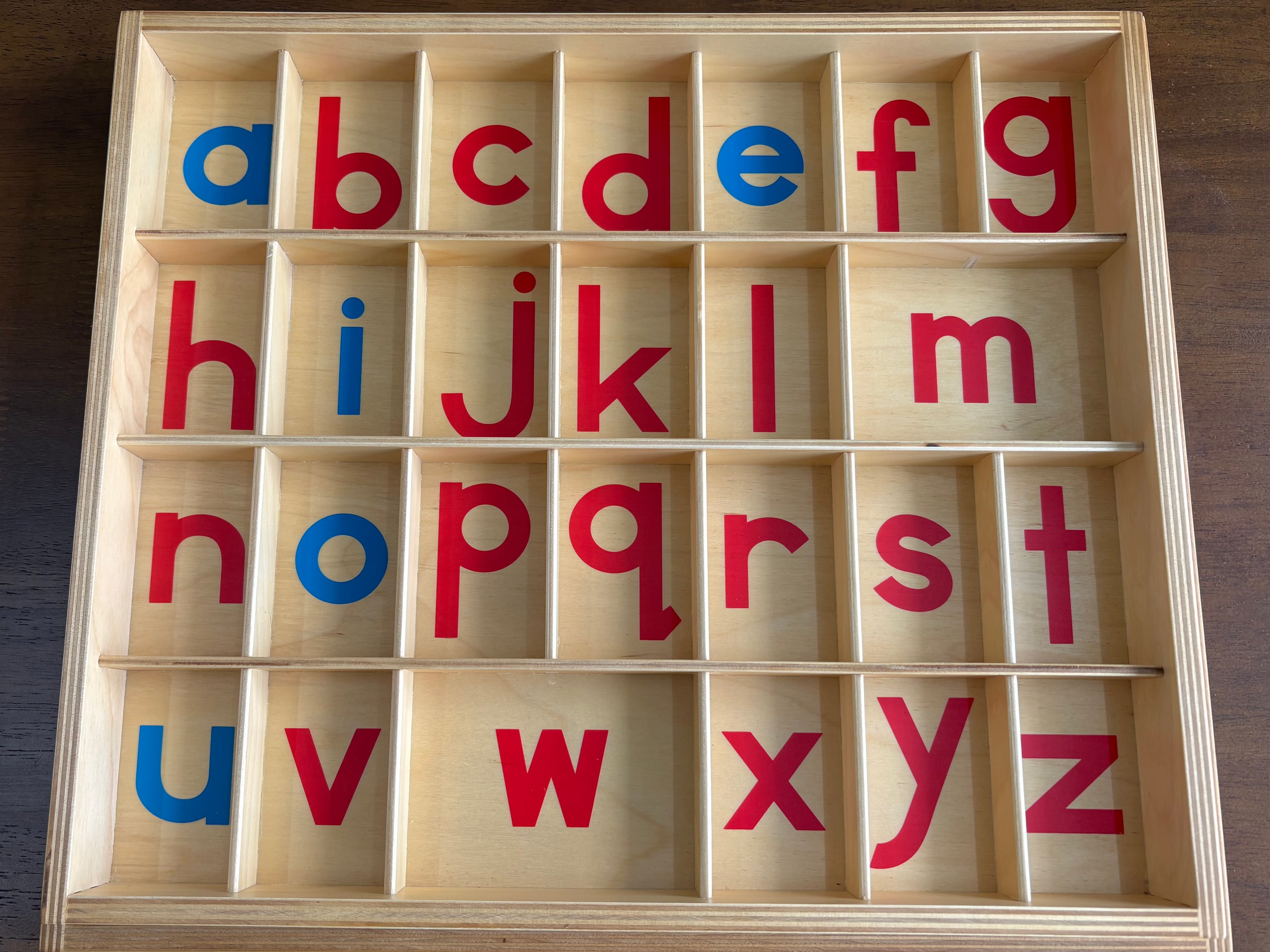
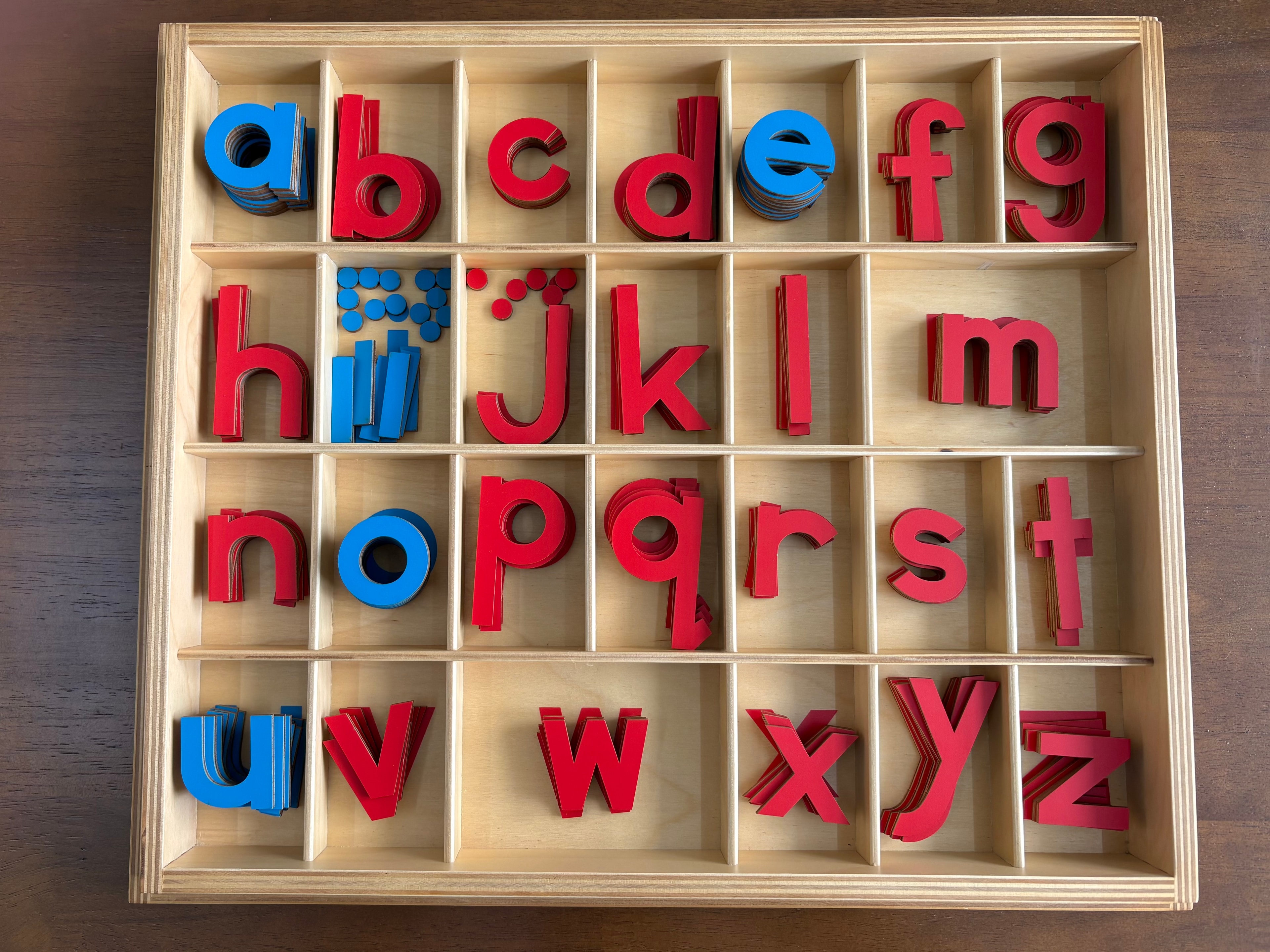
In the previous story, the child copied a movement I hadn't intended to demonstrate. With the Movable Alphabet, I offered a movement purposefully.
The letters were arranged in four rows of compartments. Starting at "a," I used my index and middle fingers together to search from left to right, continuing row by row until I found the letter I needed.
Every child who had seen the presentation followed the same sequence—even using the same two fingers. It was striking to see how closely they reproduced those small details.
The gesture gave them an orderly way to search for letters, with their eyes following their fingers from left to right. A movement I had carefully demonstrated became a process they could use independently.